Tennessee Twisters: Past Disasters and Future Vulnerabilities
For my final project in GEOG 311: Geovisualization and Geographic Information Science , I combined my interest in GIS with my interest for the weather. Through an interactive story map, you can see the historical trends of major tornadoes in Tennessee. This StoryMap also includes a discussion on which areas in Tennessee are the most vulnerable to natural disasters and what steps we can take to become more resilient to severe weather.
Who owns the forecast? Navigating Public-Private Conflict when Lives are on the Line
For my final project in HALS308: Conflict Resolution, I was tasked with finding a solution to a current conflict. This presentation provides background on where you get your forecast, details the conflict between the public and private weather sectors, and proposes multiple integrative solutions for moving forward.
The Tennessee Opioid Crisis: HALS 397 Group Capstone
In HALS397: Group Capstone, myself and my peers were tasked with examining the three Tennessee Grand Challenges: rural economic development, K-12 education, and the Tennessee opioid crisis. For our final project, my group created an educational video detailing the opioid crisis. This 10 minute video provides an overview on the issue through interviews with law enforcement, healthcare professionals, and non-profit leaders across the state.
Tennessee Twisters: Examining the Influence of Convective Available Potential Energy (CAPE) and Wind Shear on Tornadogenesis in Tennessee
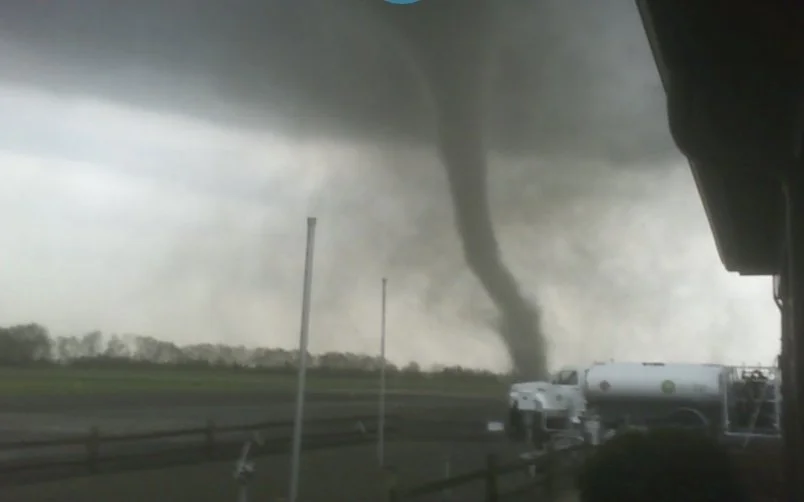
For my final research paper in GEOG331: Natural Hazards, I analyzed 97 tornado-risk forecast events using Storm Prediction Center datasets to examine relationships between CAPE, vertical wind shear, and tornado occurrence across Tennessee. I developed a classification framework used to identify the atmospheric patterns associated with tornadogenesis and evaluated how forecast uncertainty influenced emergency preparedness and public response. Findings indicated that low-CAPE, high-shear environments frequently produced tornado events exceeding forecasted intensity expectations. I hope to expand on this research during my senior year.